
Balance and Parkinson's: Practical Ways to Build Confidence and Control
Jul 14, 2026If you or someone close to you is living with Parkinson’s, you may have noticed changes in balance or confidence when moving around.
Perhaps turning feels a little more difficult. You may feel less steady when stepping sideways, walking on uneven ground or moving through busy places.
Many people living with Parkinson’s experience changes in balance, but everyone is different. Not everyone will have balance problems or falls, and the way balance is affected can vary greatly from one person to another.
Parkinson's can affect the systems your body uses to keep you balanced. Changes in movement, posture, strength, reaction time and the automatic control of walking can make everyday activities feel more challenging. The good news is that, although Parkinson's is progressive, many aspects of balance can still be improved or maintained through regular, targeted exercise.
One of the questions people often ask me is:
“Can I actually improve my balance?”
The encouraging news is that regular physical activity and targeted balance training can help improve or maintain many aspects of balance and movement. It may also help you feel more confident in everyday activities.
When people think about balance training, they often imagine standing on one leg.
But think about everyday life.
- We stand and reach.
- We turn and change direction.
- We step around obstacles.
- We get up from a chair.
- We react when something unexpected happens.
Tips to Help Improve Your Balance
Here are some helpful tips and key things to keep in mind as you get started.
1. Start Small and Practise Regularly
Regular practice is an important part of improving and maintaining movement skills.
The brain has the ability to adapt and change throughout life — a process known as neuroplasticity. Repeated, purposeful practice can help support the learning of movement skills.
The good news is that you do not need to spend hours at a time doing balance exercises.
Little and often is one of the best ways to start.
For example, you might begin with around 10 minutes 2 - 3 times a week, and build gradually from there.
Most importantly, start where you are today, take your time and progress gradually.
2. Pay Attention as You Practise
Try not to simply go through the motions. When you practise balance exercises, give each movement your full attention.
Where possible, reduce distractions around you. Turn off the television, put your phone to one side and create a calm space where you can focus on what you are doing.
Balance training can take a lot of focus, so remember to take regular breaks. If you begin to feel tired or find it harder to concentrate, have a rest and continue when you feel ready.
3. Find the Right Level of Challenge for You
To improve your balance, your exercises need to challenge you a little, but they should always feel safe.
Your brain adapts best when a task is challenging but still achievable. If an exercise feels too easy, it may not provide enough challenge to encourage further improvements in balance. If it feels too difficult or unsafe, it can affect your confidence and increase the risk of losing your balance.
Depending on what feels safe for you, you might gradually try:
- using a little less hand support
- changing your foot position
- adding a simple coordination task
- adding a simple thinking task
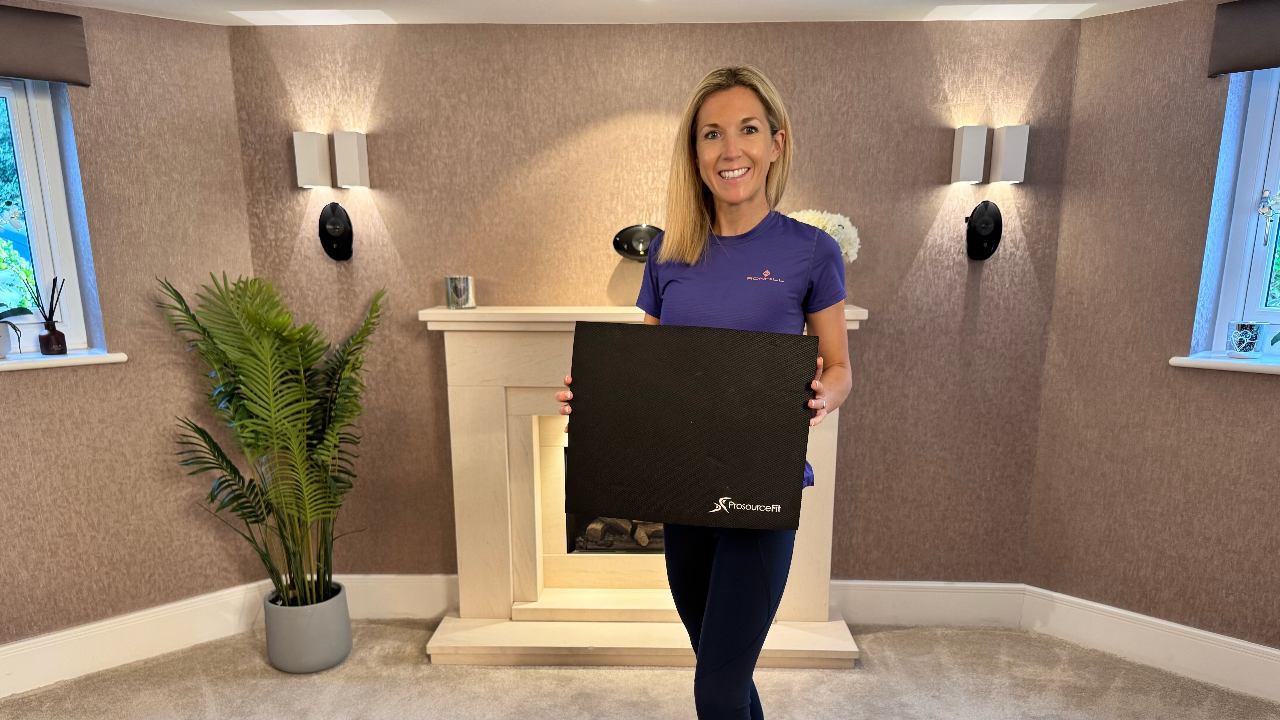
- using a balance pad or other unstable surface (only if this is safe and appropriate for you)
Always keep a stable support within reach, such as a kitchen worktop or sturdy chair, and make sure the space around you is clear of anything you could trip over.
The aim is to find the right balance between challenge and safety, so you can practise with confidence while continuing to make progress.
4. Think About Your Feet — Barefoot Training
Barefoot training simply means doing certain exercises without wearing shoes or socks. Some people find that exercising barefoot helps them feel the ground more clearly and increases their awareness of foot position during balance exercises.
Your feet send important information to your brain about pressure, position and movement. For some people living with Parkinson's, practising balance exercises barefoot may help increase awareness of how their feet move and make contact with the ground. It may also encourage the muscles in the feet and ankles to work more actively, helping to support stability.
Barefoot training is not right for everyone, and supportive footwear may be a better option for some people. If barefoot training is safe and appropriate for you, it may be a useful addition to your exercise programme when practised in a controlled setting with a sturdy support nearby. If you are unsure whether barefoot training is suitable for you, speak to your physiotherapist or healthcare professional for advice.
5. Practise the Movements You Use in Everyday Life
Balance is part of so many things we do each day — turning in the kitchen, reaching for something on a shelf, getting up from the sofa, or moving around furniture.
For people living with Parkinson’s, everyday movements like these often require more effort, concentration and control. That is why it can be helpful to practise the skills you use in daily life.
For example, if getting up from a chair feels difficult, practising sit-to-stands can help develop the strength, posture, coordination and balance needed for that movement.
If turning feels less steady, you might practise slow, purposeful changes of direction.
Depending on what is safe and appropriate for you, you could practise:
- reaching in different directions, as you do when putting something away
- stepping forwards, backwards and sideways
- turning and changing direction
- moving around objects
- carrying a light object while walking
The aim is not simply to get better at an exercise. It is to practise the movements that can help you move through everyday life with greater confidence and control.
6. Build Strength to Support Your Balance
Strength plays an important role in good balance.
We need strength to get up from a chair, climb stairs, step over obstacles and control our body as we move.
That is why it can be helpful to include both strength and balance exercises in your routine.
Depending on your ability, exercises might include:
- sit-to-stands or squats
- step-ups
- heel raises
- exercises that strengthen the legs, hips and core muscles
You do not need to train balance and strength separately all the time. Many exercises can challenge both at once.
The goal is to include strengthening exercises alongside your balance practice, at a level that is safe and appropriate for you.
Building Confidence Over Time
Improving your balance does not mean doing everything at once. Start with what feels manageable and focus on the movements that matter most in your everyday life.
Balance is a skill that can be practised and trained. With time and the right level of challenge, you can work towards feeling steadier and more confident in your movements.
Need Some Support With Balance Training?
The Parkinson’s Exercise Programme includes a range of guided balance workouts, from beginner sessions to balance pad training and more advanced workouts. You can try the programme with a 7-day free trial.
Taking Part in Our Free Summer Challenge? ☀️
Choose one the balance challenges and tick another activity off your Get Active and Stay Active Summer Challenge.
A Few Important Safety Reminders Before You Start 💜
Everyone’s experience of Parkinson’s is different, so balance exercises should be tailored to your individual ability, needs and current level of mobility.
If you have had a recent fall, experience freezing of gait, feel unsteady during exercise, experience dizziness, or are unsure whether balance training is safe and appropriate for you, please speak with your healthcare team before starting or progressing your balance training.
Don't miss a beat!
New moves, motivation, and classes delivered to your inbox.
We hate SPAM. We will never sell your information, for any reason.